Another Warning About Feeding Backyard Deer from New York State
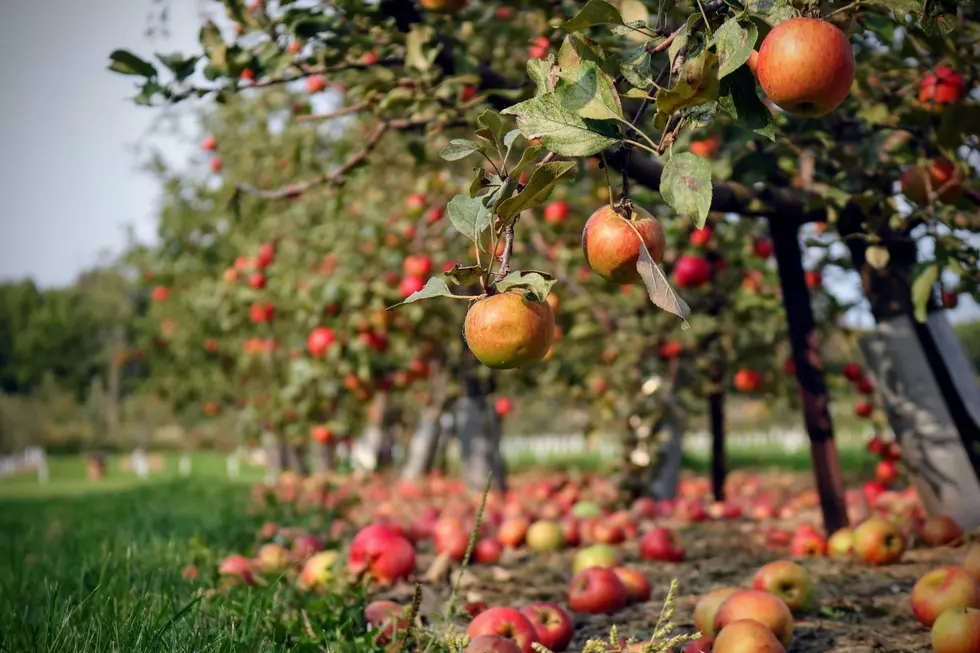
It is that time of year when apples are beginning to fall from the trees here in New York State. New York is known for its delicious apples and rich harvest every September. However, when those apples begin hitting the ground, you may notice more wildlife visiting your backyard than ever.
If deer are coming into your yard to eat fallen apples, what are the rules? Can you simply leave the apples on the ground for deer and other animals to eat, or do you have a responsibility to pick them up?
Related: Massive Changes to Hunting Licenses in New York State
It is an interesting question, especially because the New York State Department of Environmental Conservation (DEC) has regulations regarding the intentional feeding of wildlife.
Deer Are Showing Up for the Apples
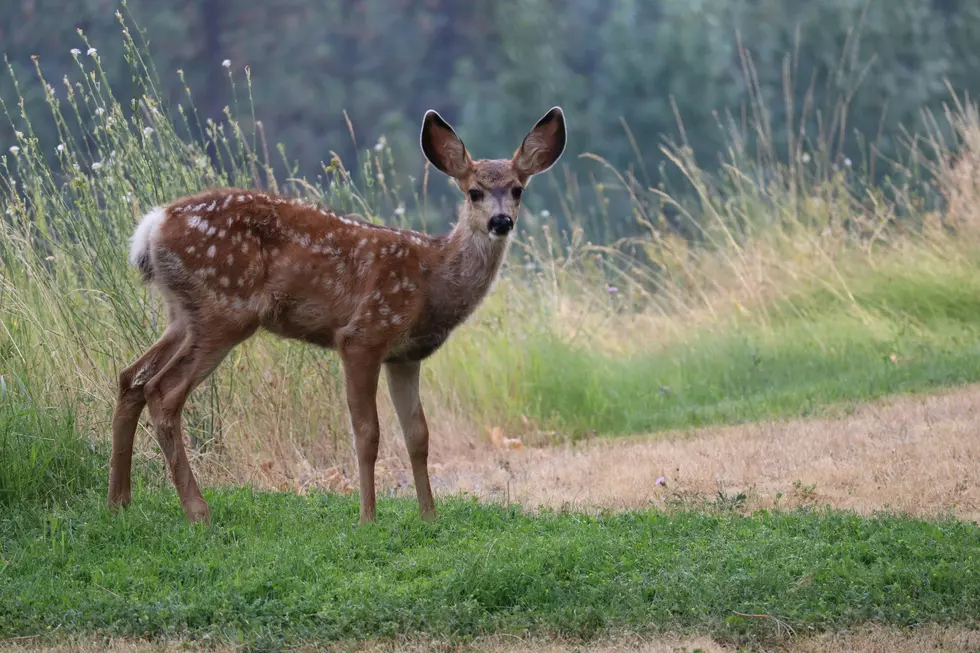
I have noticed that almost every night, right around 7 p.m., at least four whitetail deer enter our backyard for a snack beneath the apple trees.
This year, there appear to be more apples on the trees than in recent years. They may not be as large as they have been in the past, but there are definitely more of them on the branches. Now that the apples are beginning to fall, the deer are taking advantage of the free food. Some of the deer are even knocking apples from the branches themselves.
So, if the deer are eating apples that naturally fall from a tree in your yard, are you breaking the law?
Is It Legal to Feed Deer in New York?
This is where it is important to understand the difference between naturally occurring food and intentionally feeding wildlife.
Hunters know that using bait to attract deer during hunting season is illegal in New York. Shooting a deer over bait can result in serious consequences, including the loss of the deer and potential penalties against the hunter’s license.
But there is another reason New York has restrictions on feeding deer.
Intentionally feeding deer can cause animals to congregate in unusually large numbers and can increase the risk of disease transmission. Wildlife officials want to discourage people from creating artificial feeding sites that bring large numbers of deer together.
What About Apples That Naturally Fall From a Tree?
If you have an apple tree in your yard that naturally produces fruit, there is an important distinction.
You are not intentionally placing apples on the ground to attract deer simply because apples from your own tree are falling naturally. Likewise, if you have agricultural land or a garden where fruit and vegetables are growing naturally and deer are attracted to that food source, that is different from deliberately feeding them.
The issue is intentionally providing food to attract wildlife.
So, if you have an apple tree in your backyard and deer are showing up because the apples are naturally falling, that is not the same thing as putting out food specifically to attract deer.
Why New York Restricts Deer Feeding
The goal of these restrictions is not simply to keep deer out of your backyard. Wildlife officials are concerned about the potential consequences of concentrating deer in one location.
When deer are intentionally attracted to a food source, multiple animals can gather in a relatively small area. That can increase the potential for diseases and other problems to spread through the local deer population.
Wildlife management and conservation are major priorities for the New York State Department of Environmental Conservation, which is why intentionally feeding deer is treated differently from deer simply taking advantage of naturally occurring food.
Backyard Deer Patterns Can Change During Hunting Season
It is fascinating how you can almost set your watch by the deer in the backyard at this point in the summer. Around the same time every evening, they seem to show up for dinner.
But once hunting season arrives, everything changes.
It seems like the deer scatter and develop completely different routines and patterns. Hunters know this all too well. It never fails: Just when you think you have a big buck completely patterned, hunting season arrives—and suddenly, he is nowhere to be found!
Food plots can be a legal and effective part of deer management when used appropriately, but there is an important difference between providing habitat and intentionally baiting deer.
"It is illegal to hunt with the aid of bait, or over any baited area when hunting big game, upland game birds, turkey or waterfowl. It is illegal to place a salt block or mineral lick on lands inhabited by deer at any time of year. It is also illegal to feed deer".
If the apples in your backyard are naturally falling from your apple trees, the deer may simply be taking advantage of what nature has provided. However, intentionally placing food out to attract deer is a very different situation under New York’s wildlife regulations.
As apple season gets underway across New York, it is something worth keeping in mind if you start noticing more four-legged visitors in your backyard.
More From 106.5 WYRK