
The Tailgating Law is Updated in New York State
As we get ready for winter driving conditions in New York State, there are some important things to remember from the state’s driver manual. When icy conditions develop, maintaining a safe distance from the vehicle in front of you is essential. But how much space are you legally supposed to leave between your vehicle and the car ahead of you in New York?
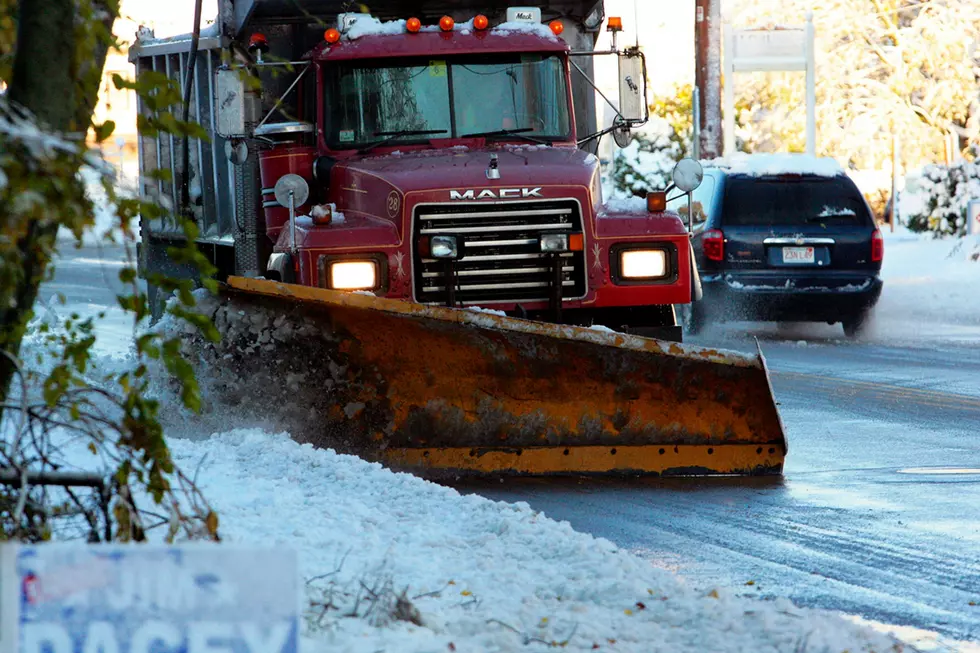
The weather is about to change across Western New York and the rest of the Empire State. Although widespread snowstorms may not be in the immediate forecast, slippery roads, wet leaves, and changing temperatures can make your daily commute more difficult. Make sure you are prepared for changing road conditions and that your vehicle is equipped with appropriate tires for the season.
How Many Seconds Should You Stay Behind Another Car in New York?
How close is too close when following another vehicle? And when does following another car become tailgating?
Read more: The First Snow of the Season is Coming to New York State
According to the New York State Department of Motor Vehicles (DMV), drivers should maintain a safe following distance to give themselves enough time to react if the vehicle ahead suddenly slows down or stops.
The New York State Driver’s Manual recommends leaving at least two seconds of following distance between your vehicle and the one in front of you under normal driving conditions.
To measure the distance, watch the vehicle ahead as it passes a fixed object, such as a sign or a tree. Count the seconds until your vehicle reaches that same object. If you reach it in less than two seconds, you are following too closely.
When road conditions are slippery, the DMV recommends increasing that distance to three or four seconds or more, depending on the conditions. Snow, ice, rain, and reduced visibility can all increase the time and distance needed to stop safely.
New York State Has Increased Points for Certain Traffic Violations
Following too closely is not just annoying to the driver ahead of you, it can also have consequences.
New York State has increased the number of points assigned to certain traffic violations under its updated driver point system. Other violations, including using a cell phone while driving and speeding in a work zone, can also carry significant point penalties.
If you drive in New York, get to know the current point system and remember that safe driving habits can help prevent both crashes and costly traffic tickets.
Get Ready for Changing Winter Driving Conditions in New York
This is the time of year when daylight becomes more limited, mornings get darker, and many New Yorkers head to work before sunrise. Those conditions can make it harder to see other vehicles, pedestrians, and potential hazards on the road.
Reviewing your driving skills and refreshing your knowledge of New York’s traffic laws is a good idea, especially before winter weather arrives. If you are teaching someone how to drive, remember that your bad habits can become theirs as well.
Leave plenty of room between your vehicle and the one ahead, slow down when road conditions deteriorate, and be prepared for changing weather over the next several months.
More From 106.5 WYRK