

Boxwood Plants Might Be Doomed in New York State
As we get ready for the official start of summer in Western New York, many homeowners are fearing the worst for their landscaping. According to multiple reports online, and from several people we spoke with this week, boxwoods are dying at an alarming rate across the region.
If you have boxwoods in your landscaping, it may be time to take action before it’s too late.
Why Homeowners Love Their Landscaping
There are few things more rewarding than working on your own landscaping. While professional landscapers do a fantastic job and provide a valuable service to homeowners throughout Western New York, many people enjoy getting outside and tackling projects themselves.
Read More: Massive Sturgeon Fish Seen in Niagara County
There is a real sense of accomplishment that comes from standing back at the curb and admiring the work you’ve put into your yard. Whether you’re planting flowers, trimming shrubs, or redesigning a garden bed, landscaping can completely transform the appearance of your home.
Of course, if you don’t have the time, or the green thumb, the Buffalo area is home to many outstanding landscaping companies that can help.
Why Are Boxwoods Dying Across Western New York?
One of the most popular landscaping plants in Western New York is the boxwood shrub. They typically thrive in our climate, survive harsh winters, and flourish during the spring and summer months.
However, this year many homeowners are noticing something troubling.

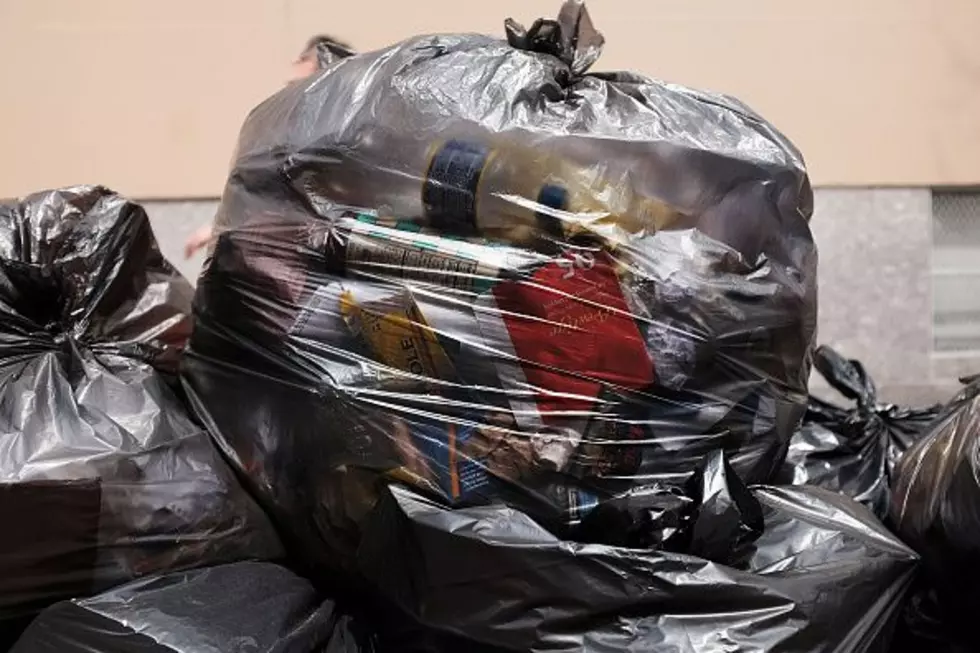
Over the past month, more and more dead boxwoods have appeared along curbs throughout the region, waiting to be picked up on trash and yard waste collection days. The question many homeowners are asking is simple: What is killing the boxwoods?
According to many of the people we spoke with, as well as numerous comments on local social media pages, a destructive moth appears to be the culprit.
The Box Tree Moth Could Be To Blame
Many residents believe the invasive box tree moth is responsible for the widespread damage. The caterpillars feed aggressively on boxwood leaves and can quickly strip a healthy shrub of its foliage.
Once an infestation becomes severe, the plant can be difficult—or even impossible—to save.
"Caterpillars of this pest feed primarily on boxwoods (Buxus spp.) and will defoliate host plants, causing serious plant decline and death when infestations are heavy".
How To Protect Your Boxwoods
The good news is that there are treatment options available.
Many homeowners who responded to a discussion on the Nextdoor app said that spraying boxwoods early and consistently can help prevent infestations and protect the plants from significant damage.
If you suspect your shrubs have been attacked, experts recommend inspecting them closely for signs of caterpillars, webbing, or defoliation and treating them as soon as possible.
Replacing Boxwoods May Be Difficult
If you’re planning to remove damaged boxwoods and replace them, you may run into another problem.
According to some reports, certain landscapers and nurseries have reduced their inventory of boxwoods, or stopped carrying them altogether, out of concern that the moth could spread throughout their stock or to other plants on their properties.
That could make finding replacement shrubs more challenging this summer.
Check Your Landscaping Before Summer Arrives
Now is the time to take a close look at your landscaping before summer officially begins. A quick inspection today could save you frustration and expense later in the season.
Once these moths become established, many homeowners say it can be difficult to stop the damage.
There’s nothing quite like a hard day’s work in the garden. But by this point in the year, most homeowners would rather be relaxing on the patio, watering their plants, and doing a little occasional pruning.
Good luck this summer, and enjoy everything that makes outdoor living in Western New York so special.
More From 106.5 WYRK



![This Is New York State’s Perfect Attraction [VIDEO]](https://townsquare.media/site/10/files/2026/09/attachment-beth-macdonald-x22k-aac0b8-unsplash.jpg?w=980&q=75)