New York State Is Experiencing Weird Silence This Week
Wildfire smoke across Western New York and much of New York State has become noticeably heavier this week. The thick haze has even turned the sun into what looks like a glowing orange dot in the sky. If you have asthma, allergies, or other breathing issues, you’ve probably spent more time indoors or noticed the smoky air affecting you whenever you step outside.
But what about the wildlife across New York State? How does wildfire smoke affect the animals that live here?
Read More: New York State's Construction Ban Starts Now
Many youth sporting events scheduled this week were canceled, postponed, or delayed because of poor air quality caused by the wildfire smoke. As someone who deals with allergies and asthma, I definitely noticed the difference. After spending time outside one afternoon, my eyes and nose became much itchier, and my breathing felt noticeably more irritated. Even though the air quality wasn’t at its worst, the smoke was impossible to ignore.
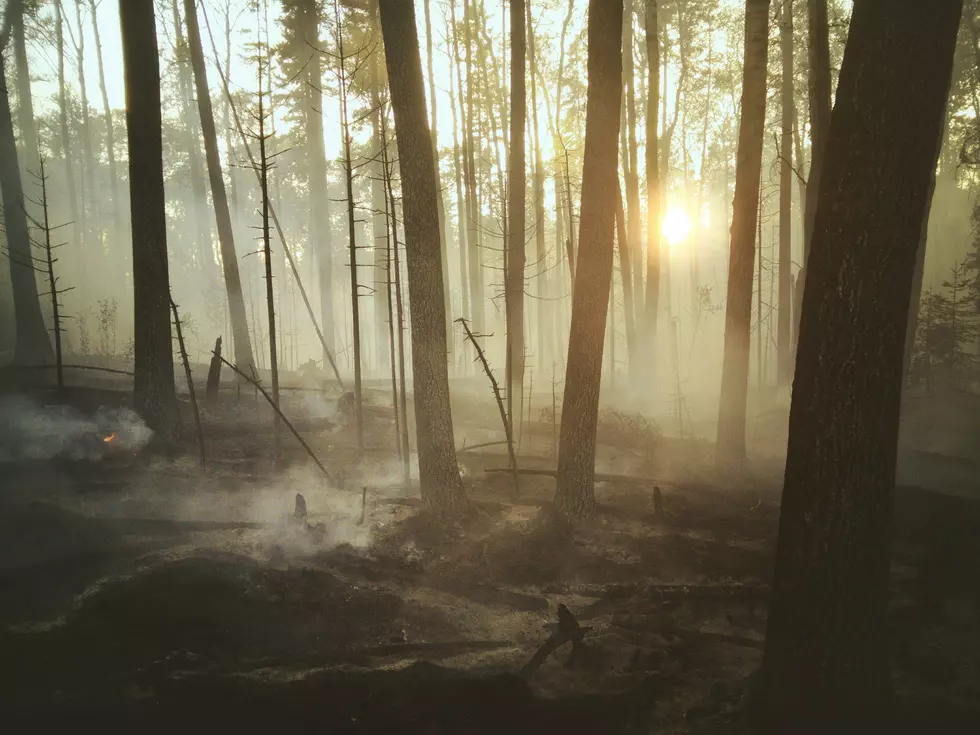
How Wildfire Smoke Affects New York Wildlife
Research suggests that wildfire smoke can affect wildlife even hundreds of miles away from the actual fires.
Just like people, animals breathe in fine smoke particles that can irritate their lungs and make breathing more difficult. While many species are affected, birds appear to be among the most vulnerable.
Did you notice how quiet it seemed outside when the smoke was at its worst this week?
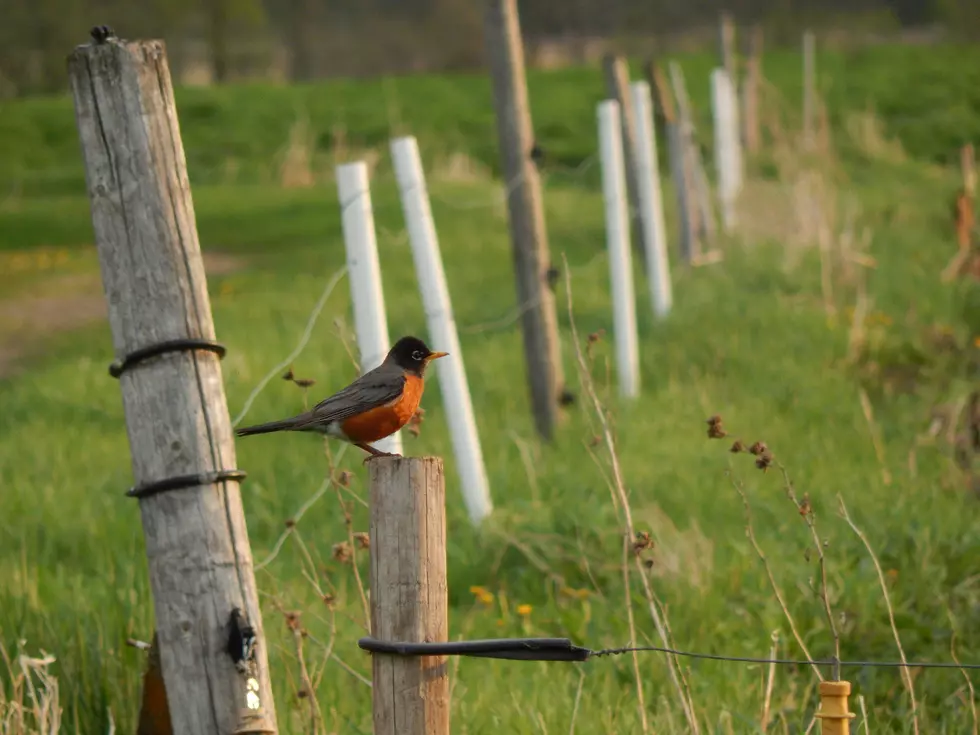
Researchers have found that heavy smoke can reduce bird activity. The darker skies created by thick smoke can confuse birds about the time of day, while smoke inhalation may also make them less active and less vocal. It may sound surprising, but studies suggest both factors can contribute to quieter forests and neighborhoods during major smoke events.
"But it’s well-established that birds are more sensitive to air pollution than other animals, including humans. This is because birds have a unique respiratory system that allows them to exchange most of the air in their lungs with every breath, unlike most mammals, which only exchange about 10% of their lung volume with each breath".
The next time wildfire smoke settles over your area, take a moment to listen. You may notice fewer birds singing than you normally would.
A Reminder of What’s Happening in Canada
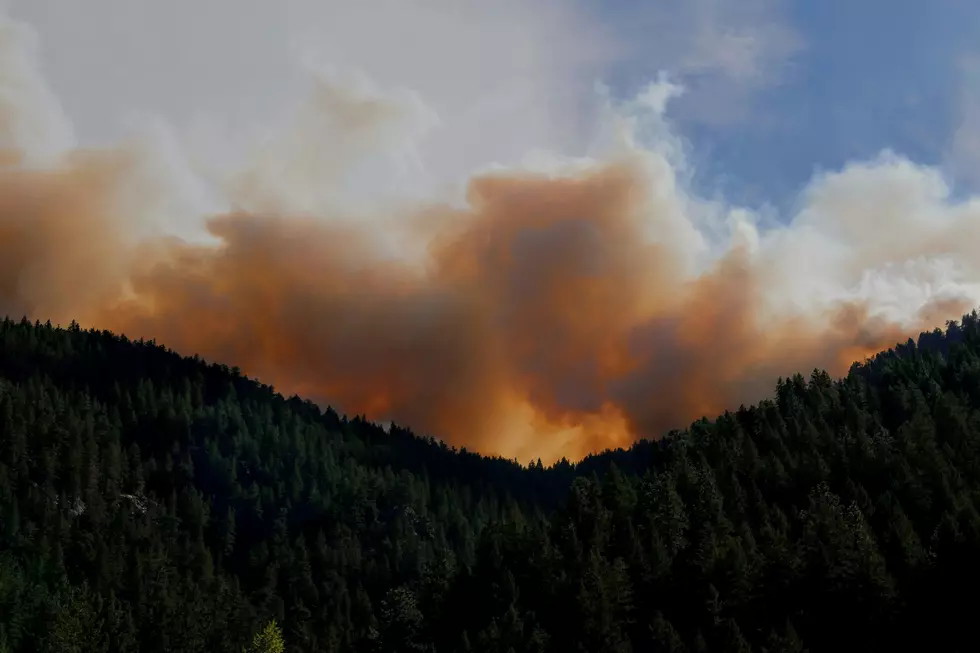
Whether a wildfire is started by human activity or a natural event like a lightning strike, it’s difficult to see the destruction. While wildfires do play an important role in regenerating some forest ecosystems, they’re still heartbreaking to witness, especially when communities and wildlife are affected.
Protect Yourself During Smoky Conditions
If you’re sensitive to smoke or have asthma or other respiratory conditions, it’s a good idea to limit your time outdoors until air quality improves. Staying inside with air conditioning or filtered air can help reduce exposure to harmful smoke particles.
My thoughts are with everyone impacted by these wildfires, especially the firefighters and emergency crews working tirelessly to contain them, as well as the families and wildlife affected by the ongoing fires.
More From 106.5 WYRK