
Frozen Lake Erie Brings a Warning For New Yorkers
It has been brutally cold across New York State over the last several days, and temperatures don’t appear to be climbing above 20 degrees anytime soon. But don’t let that stop you from enjoying everything winter has to offer. Our winters may be long, but there are plenty of ways to have fun outdoors if you are properly dressed and ready to embrace the cold.
As January ends and February begins, portions of the state are seeing single-digit temperatures. Many longtime residents are saying they can’t remember a stretch of cold like this lasting so long. One noticeable change: Lake Erie has finally iced over. That’s welcome news for people who are tired of the relentless lake-effect snow east of the lake.
Lake Ontario, however, is a different story. Because of its depth, it rarely freezes over. That open water continues to fuel heavy lake-effect snow bands east of the lake throughout the winter.
Snowmobile Conditions on Tug Hill Are Outstanding
For snowmobilers, this pattern has been ideal. Tug Hill has been receiving feet of snow with nearly every forecast system. I was just there a few days ago enjoying the freshly groomed trails, and firsthand I can tell you there will be plenty of snow on those trails for quite some time this season.
Related: Gas Snowblower Ban Looms For New York State
It’s also worth remembering that lake-effect snow in Western New York doesn’t always come directly from Lake Erie or Lake Ontario. Some of the snow you may see over the next few days can actually originate from moisture pulled off other Great Lakes, including Lake Huron.
How Much Ice Is Safe to Walk or Fish On?
With lakes and ponds freezing over, many people start asking the same important question: How thick does ice need to be to safely walk, fish, or even drive on it?
The New York State Department of Environmental Conservation offers general ice safety guidelines:
4 inches of ice – Safe for ice fishing or walking
8 to 12 inches of ice – Can support a car or small pickup truck
However, these are only guidelines. Ice conditions can vary greatly from one spot to another, even on the same body of water. Snow acts as an insulator and can slow ice formation, creating weak spots that aren’t visible from the surface.
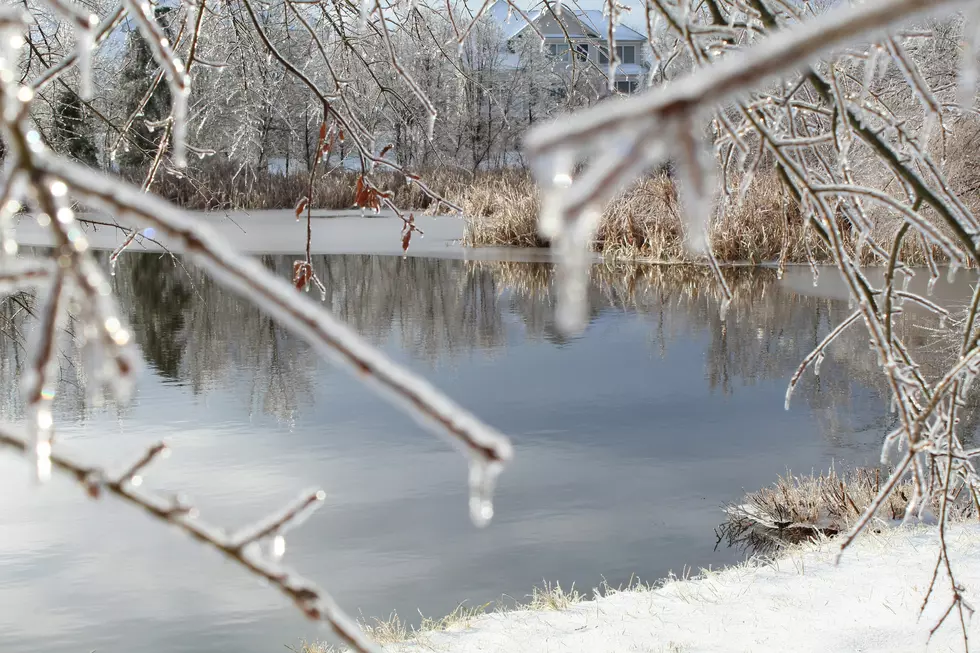
Before heading out, make sure you understand the conditions of the ice you are on and never assume it is uniformly safe.
"Safe ice should be your number one consideration when ice fishing. A minimum of three to four inches of solid ice is the general rule for safety. Ice thickness, however, is not uniform on any body of water. The guidelines presented here are based on new, clear ice on non-running waters".
Winter Safety Tips Before You Head Out
Like any outdoor winter activity in New York State, safety comes first:
Wear proper cold-weather gear
Let someone know where you are going
Use the buddy system whenever possible
Carry basic safety equipment when ice fishing or exploring frozen waterways
Just a couple of weeks ago, there was almost no ice along the Lake Erie shoreline. During the January thaw, you could actually hear the ice melting on warmer days. That’s how quickly conditions can change.
Enjoy Winter — Spring Isn’t That Far Away
Be safe and make the most of the rest of winter. You can already notice the days slowly getting longer with earlier sunrises and later sunsets. Spring may feel far away when you step outside into 0-degree air, but it really isn’t that far off.
Until then, bundle up and enjoy what a true New York winter has to offer.
De-Icing Planes In A Buffalo, New York Snowstorm
Gallery Credit: Clay Moden
More From 106.5 WYRK